
Update on the ANSTO Radon Detector at Mace Head Atmospheric Research Facility
At the ICOS station Mace Head (Ireland), the newly installed radon detector will provide the means to classify clean air masses and therefore assist to define greenhouse gas baselines.
Find out more here!
Installation of gamma radiation monitoring devices at Graciosa ENA
August 27, 2026
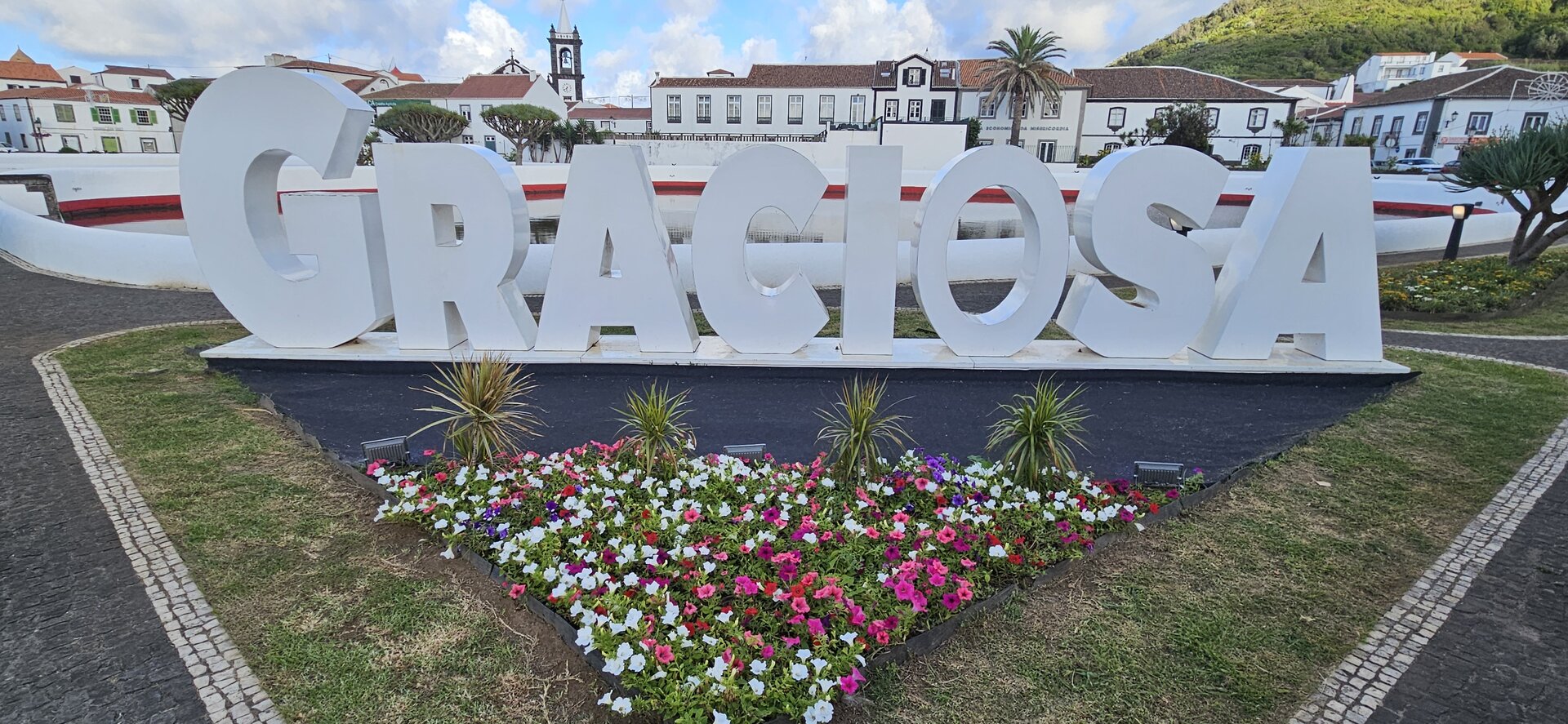
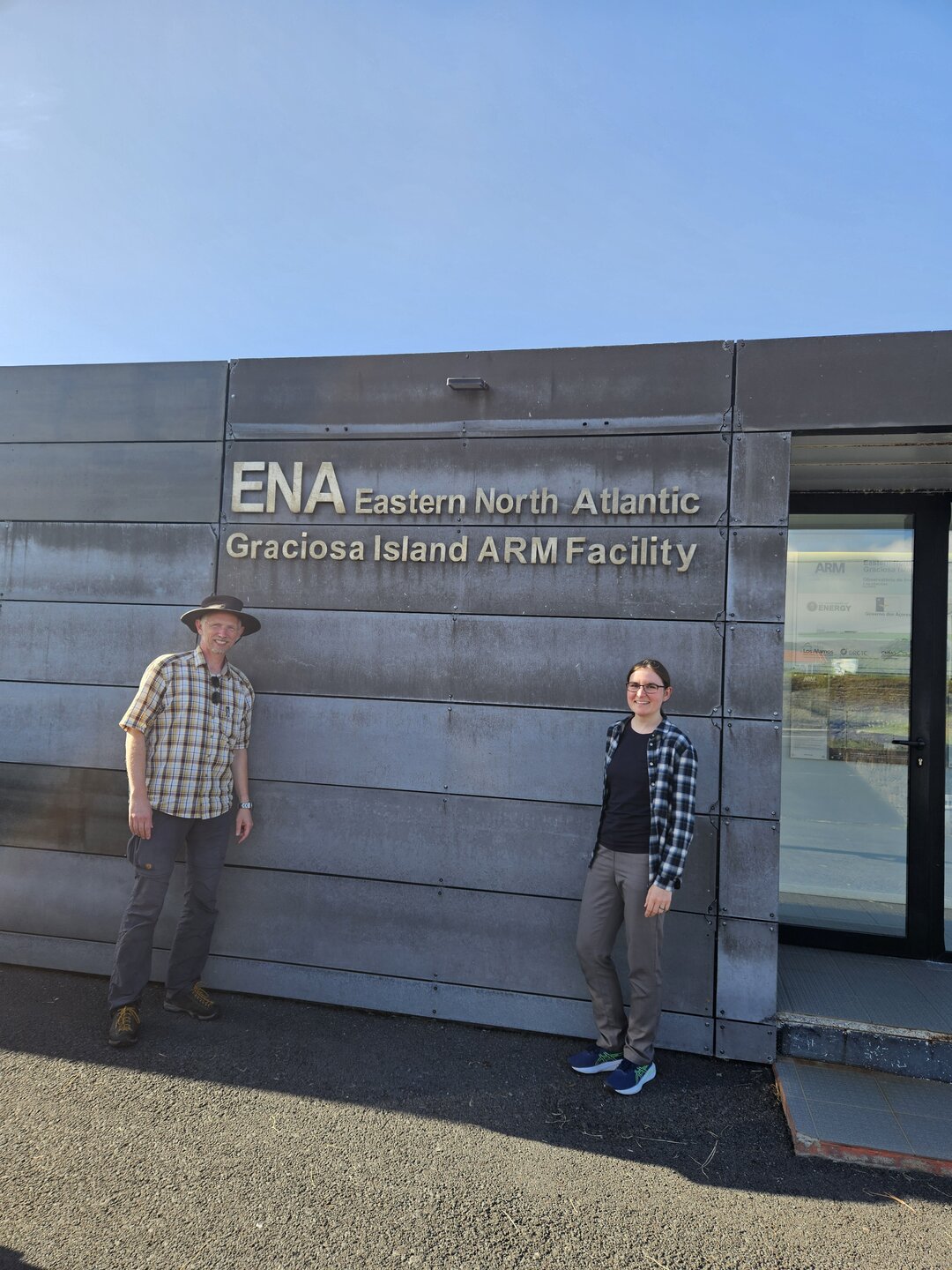
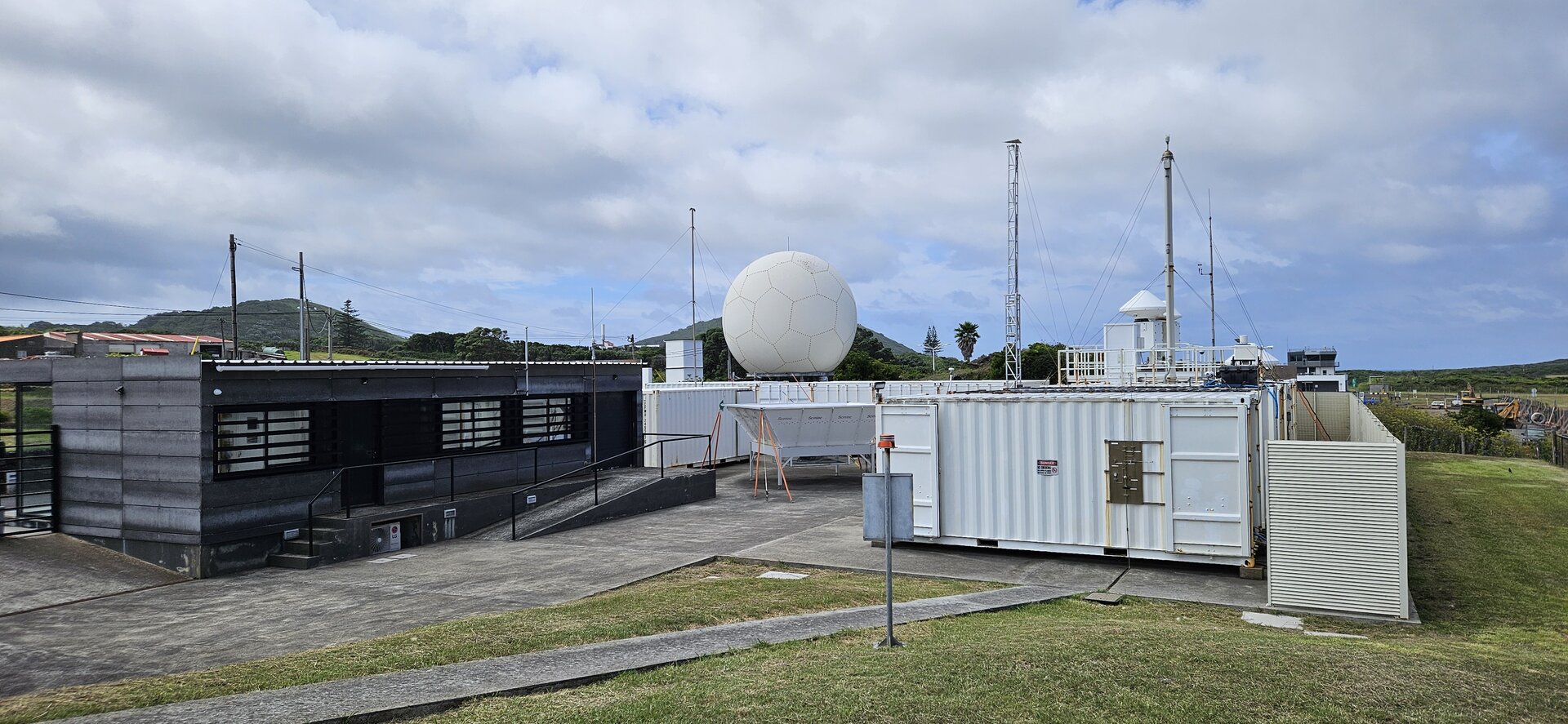
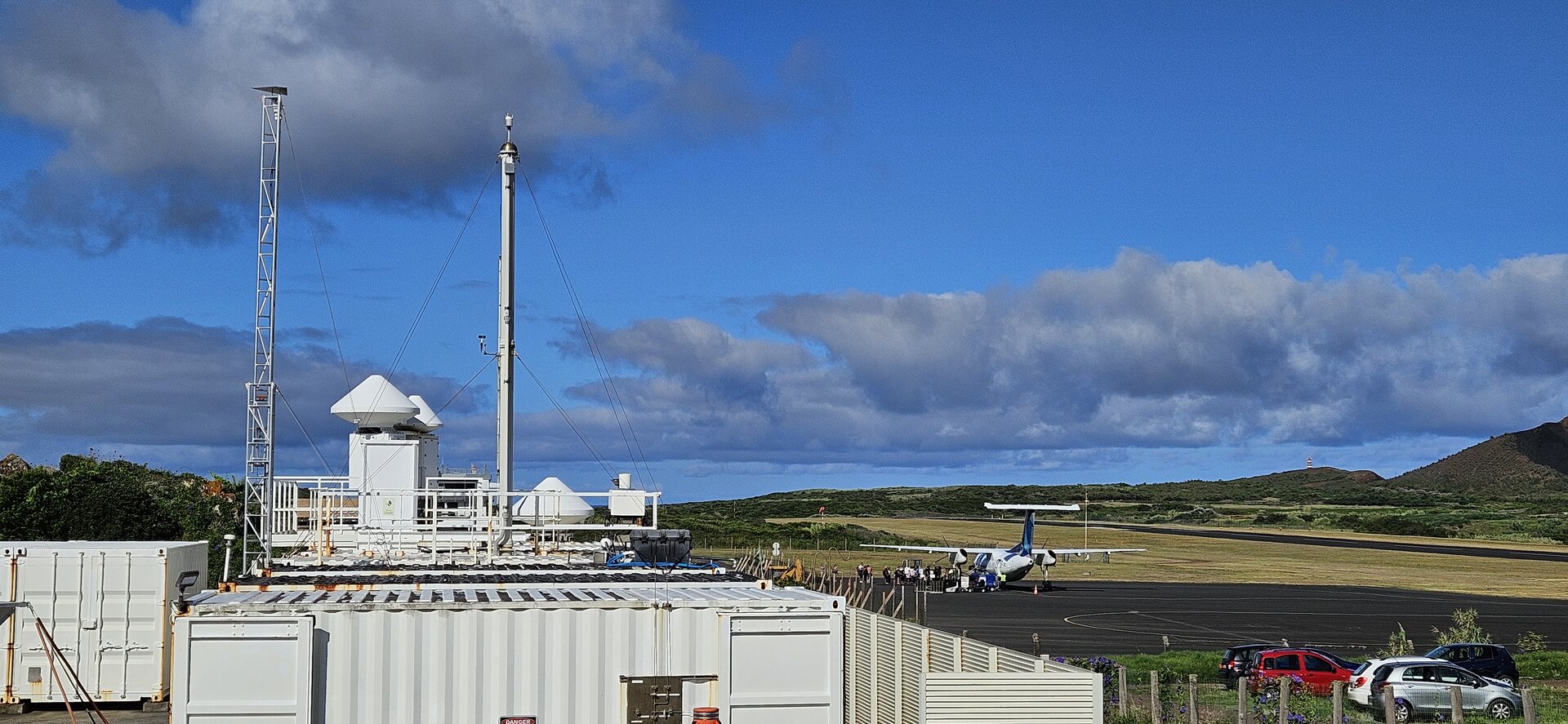
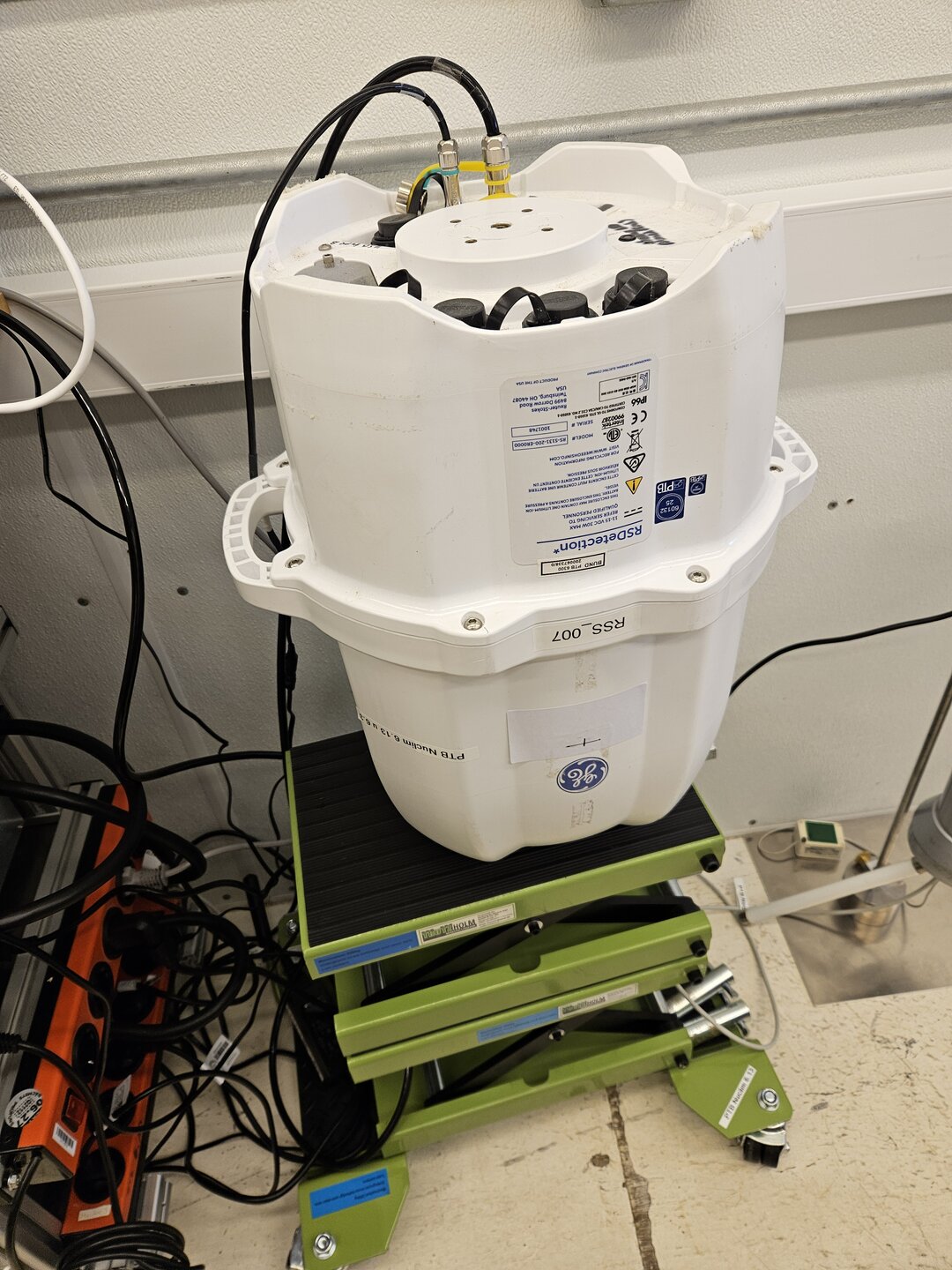
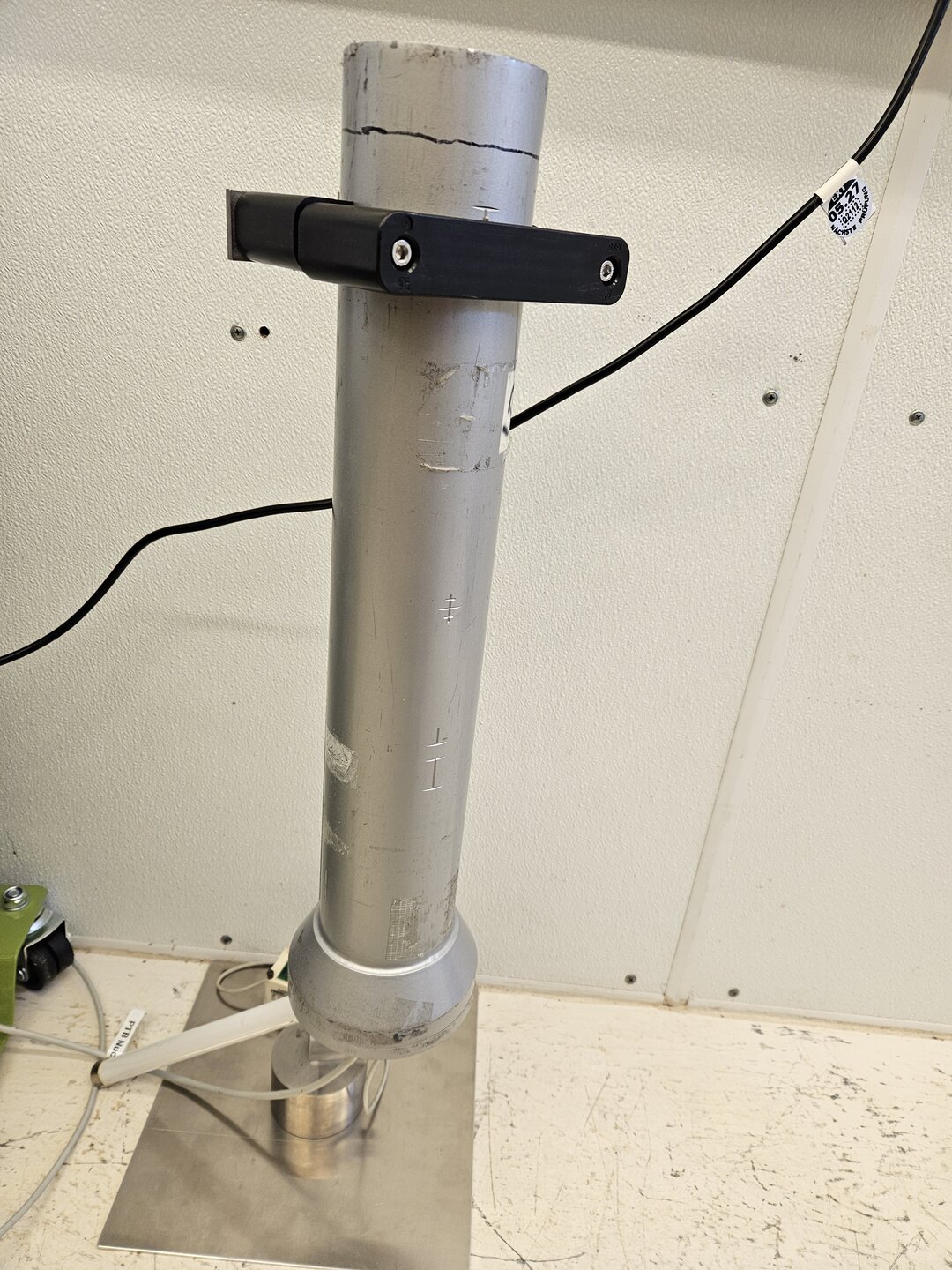
Members from Physikalisch-Technische Bundesanstalt (PTB) traveled from Braunschweig, Germany, to Graciosa Island to set up measurement devices at the ENA station, which had been delivered there beforehand. Three days of unpacking, assembling, moving devices from one place to another, battles with the mobile internet connection and a lot of help from the local ARM ENA staff Tercio and Bruno later, the ENA station now features a spectrodosemeter, an ionisation chamber and a high-purity Germanium detector. They collect data on environmental gamma radiation, which will for example be used in ambient gamma dose rate modelling.
Installation of an ANSTO Radon Detector at Mace Head Atmospheric Research Facility
May 12, 2026
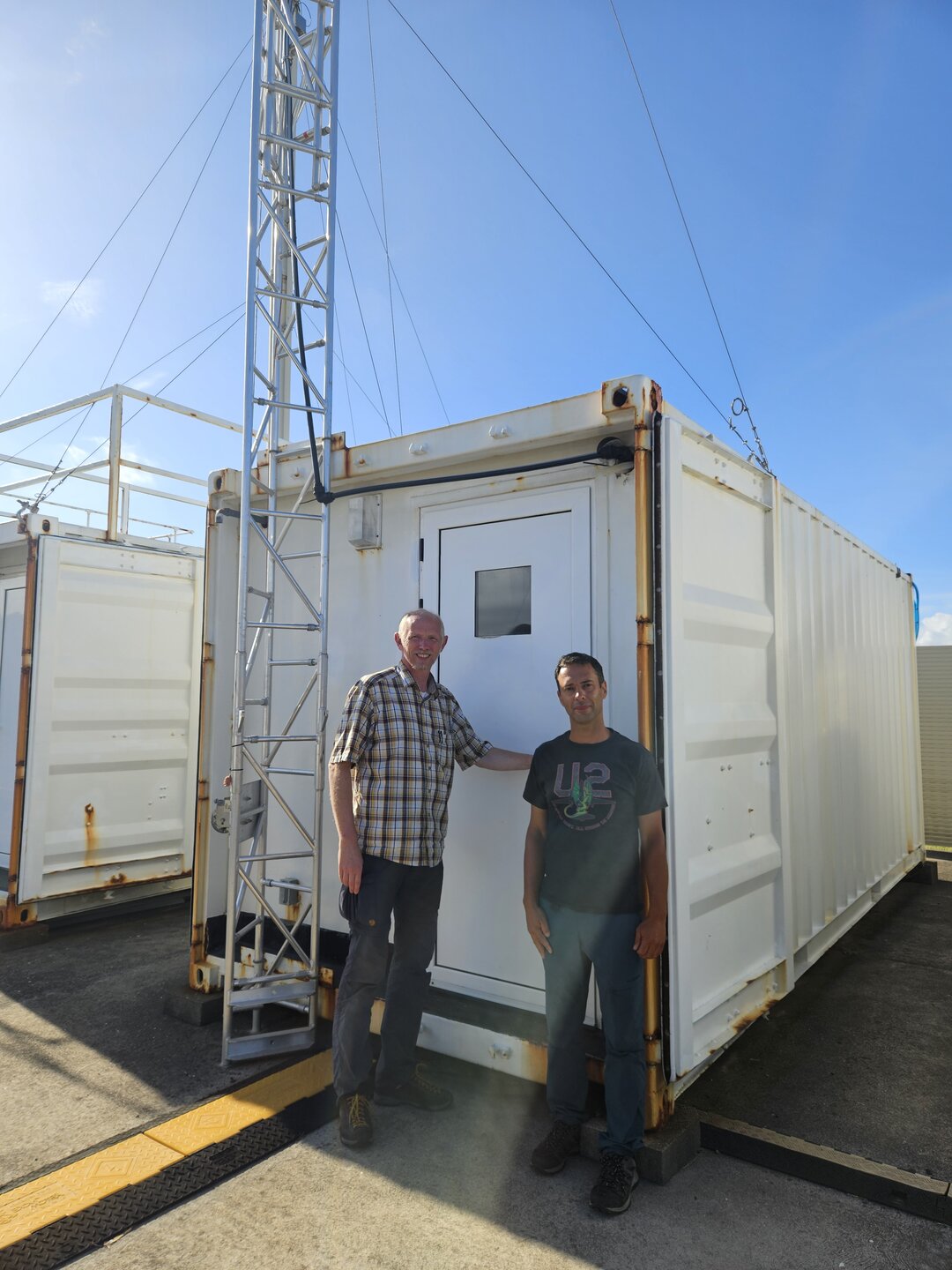
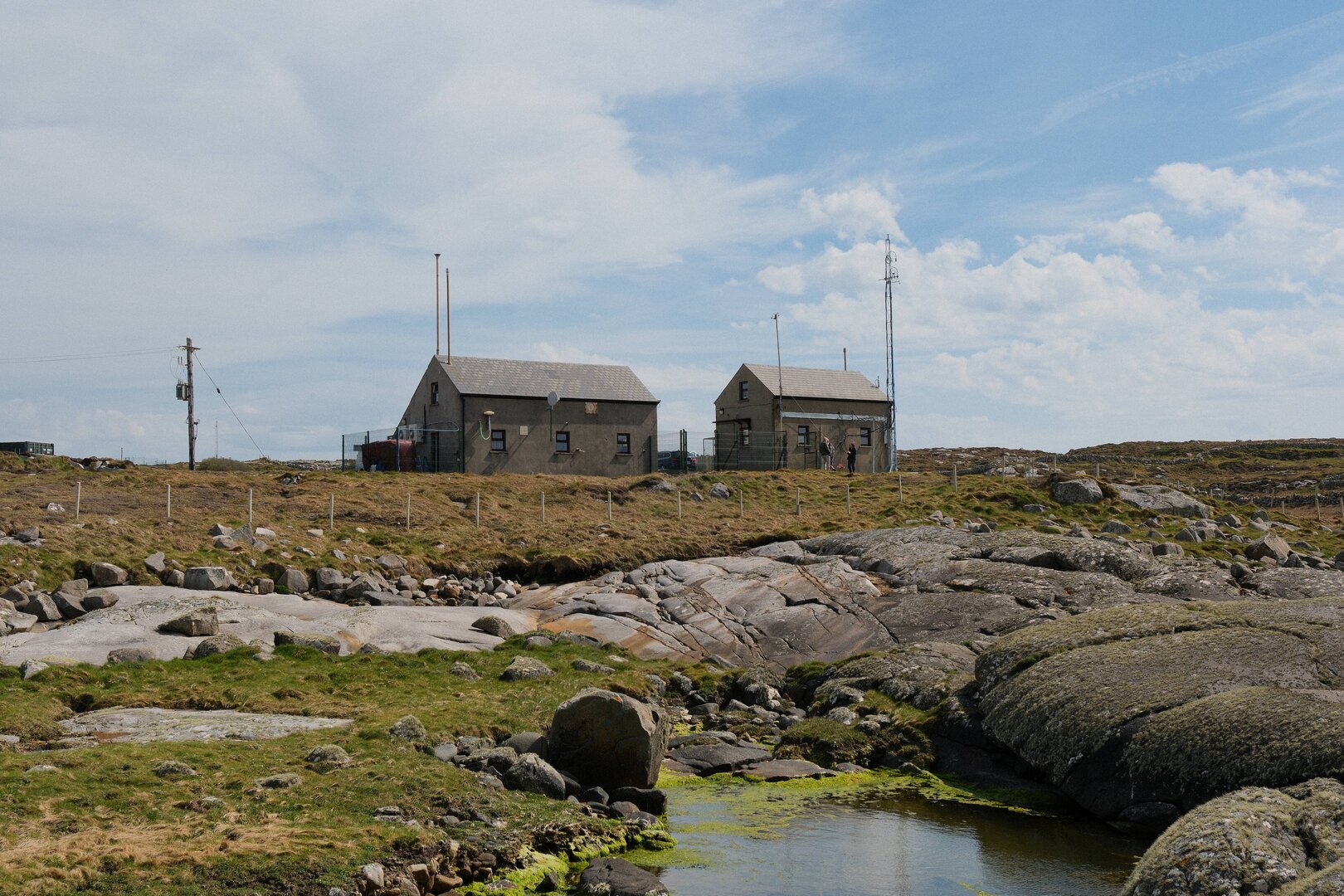
The Mace Head Atmospheric Research Facility is widely recognised as one of the leading clean background air monitoring site in the Northern Hemisphere, owing to its exposed location on the rugged west coast of Ireland. Frequently subject to strong Atlantic winds, the site even holds the Irish record for the highest wind gust ever recorded—183 km/h during Storm Éowyn on 24 January 2025. Its coastal position defines a “clean air sector” spanning wind directions from 180° through west to 300°, from which around 50% of air masses originate. As radon is emitted primarily from land rather than the ocean, Mace Head is ideally suited for using radon measurements to identify clean background air and to constrain baseline concentrations of greenhouse gases and other atmospheric constituents. The station has supported high-quality atmospheric observations for decades and hosts numerous long-term measurement programmes.
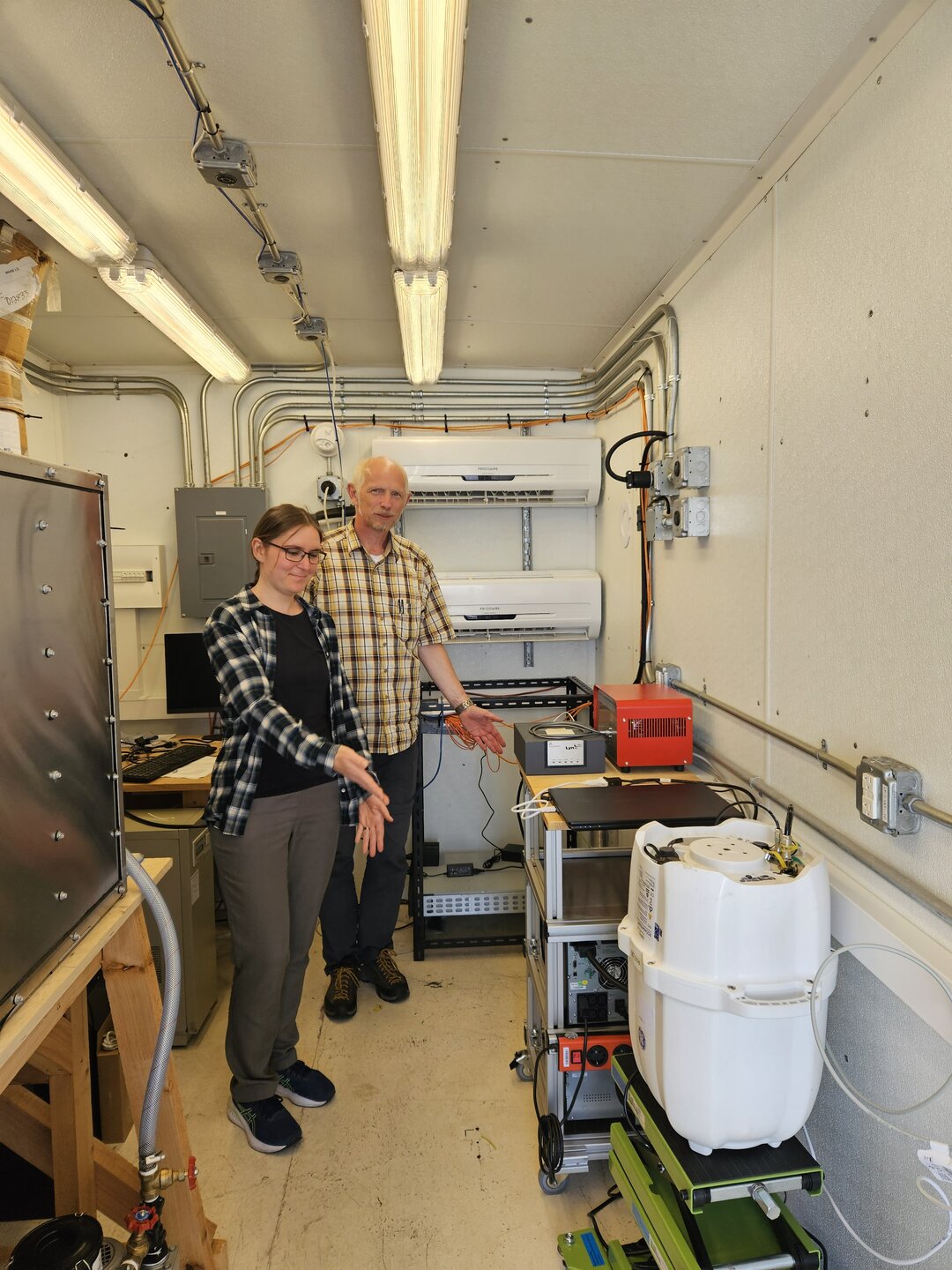
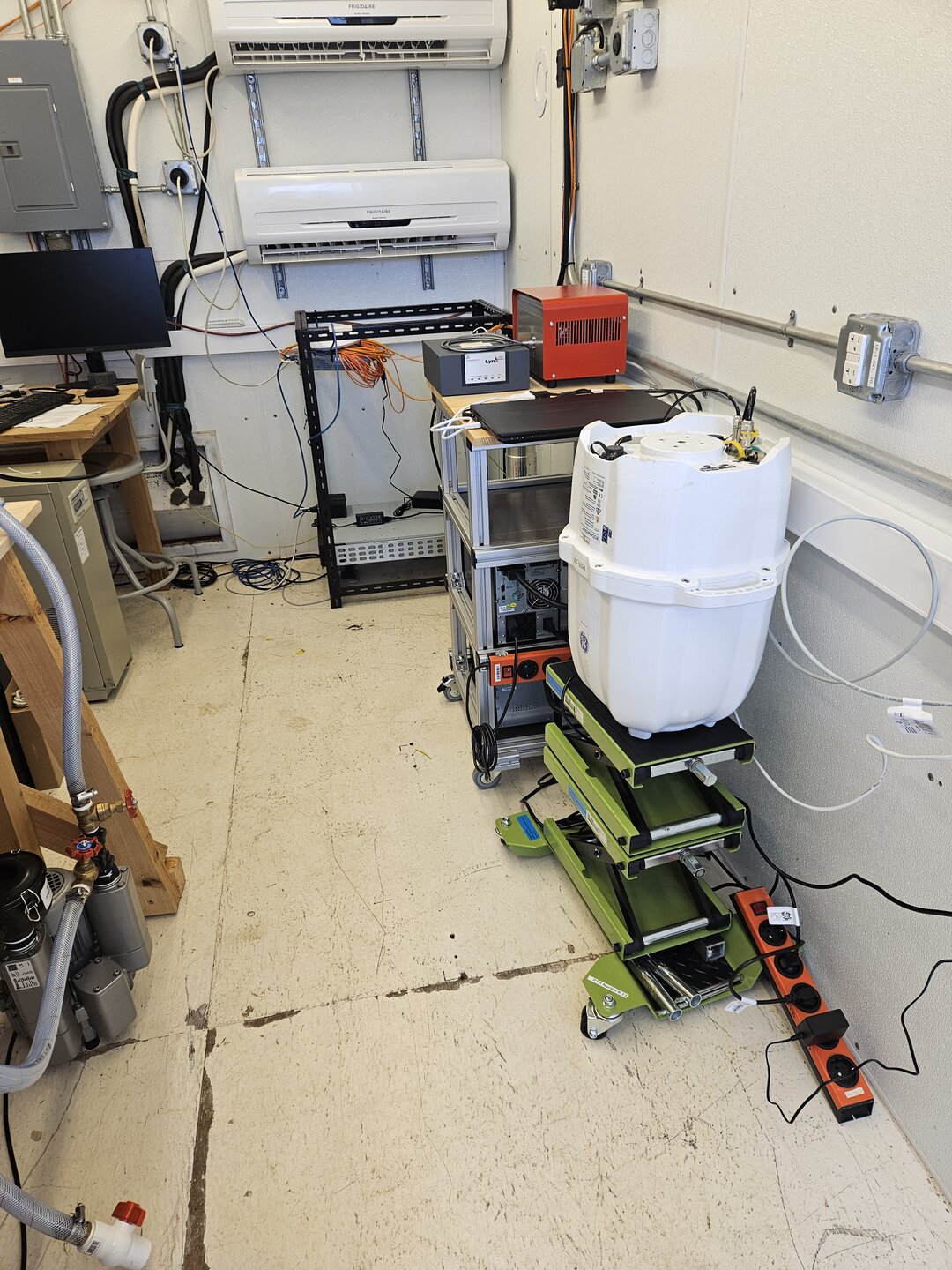
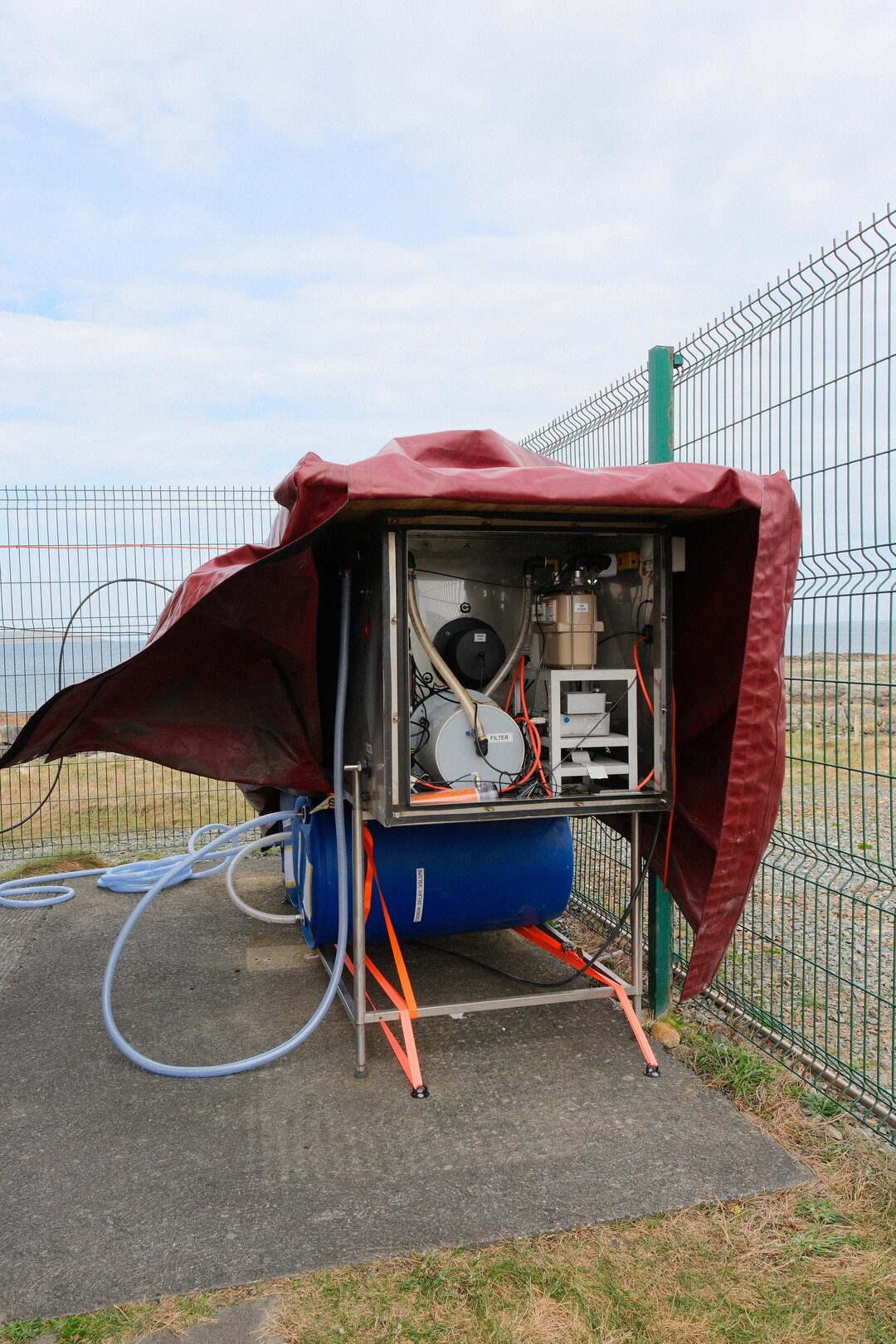
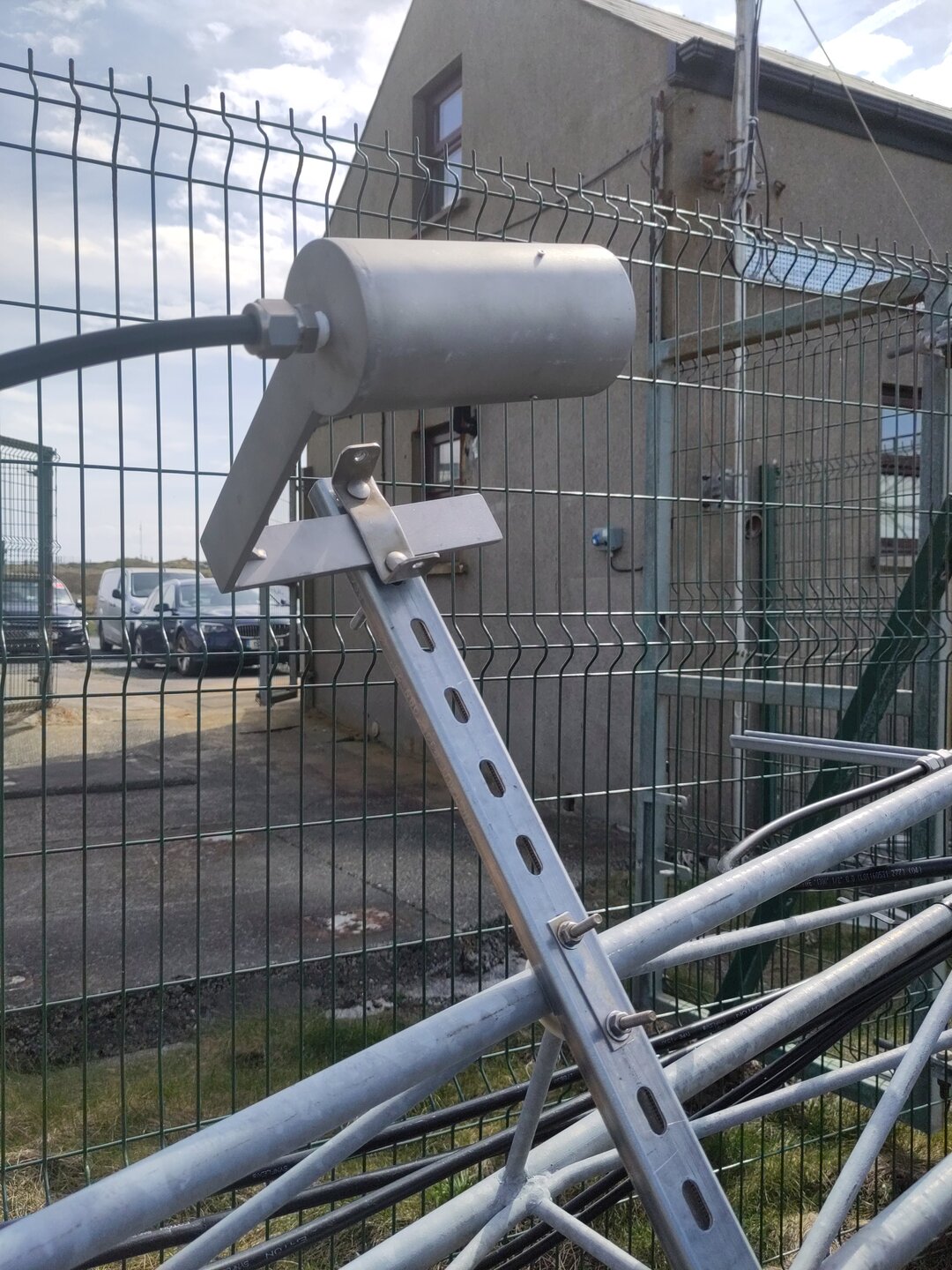
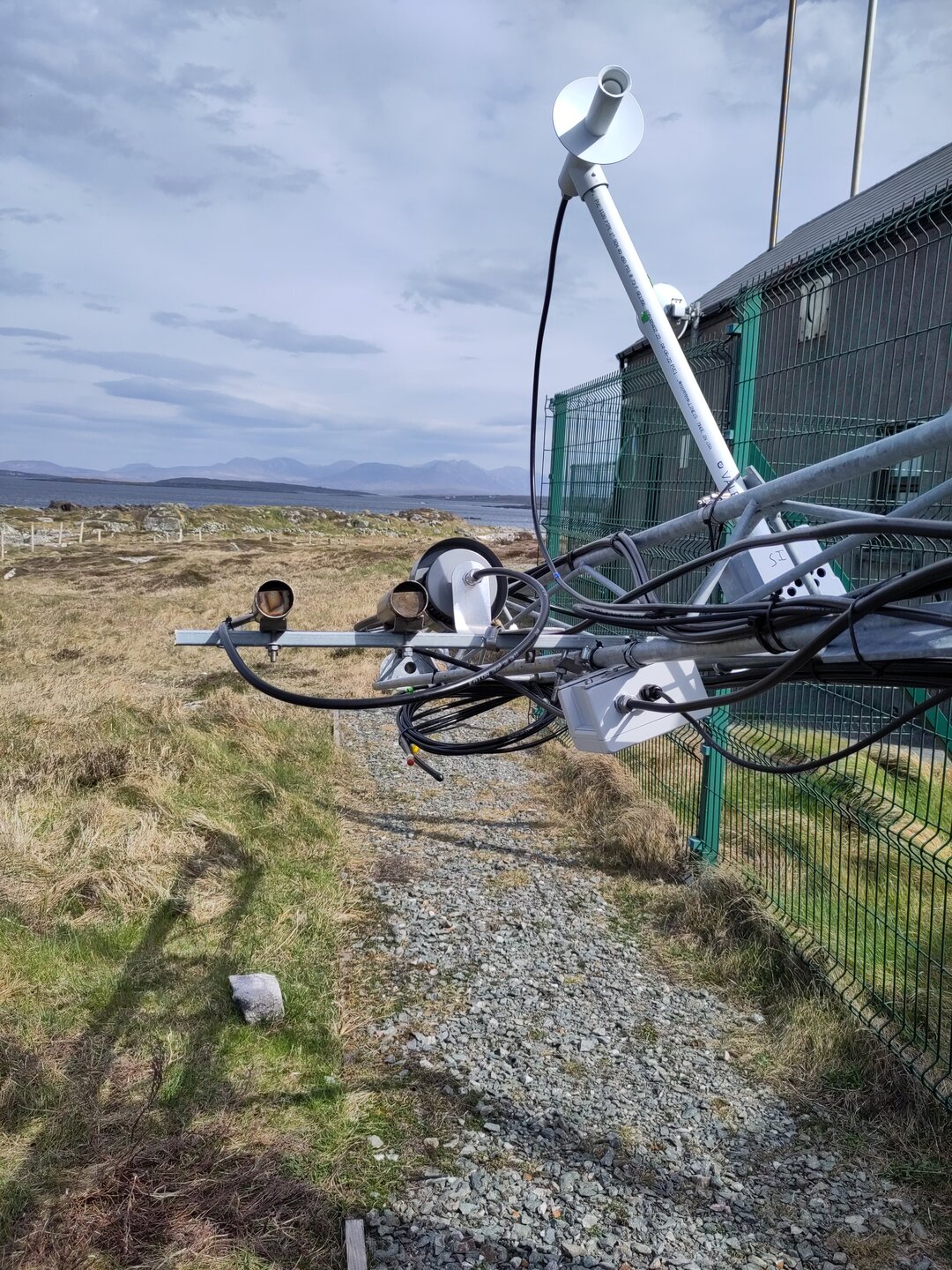
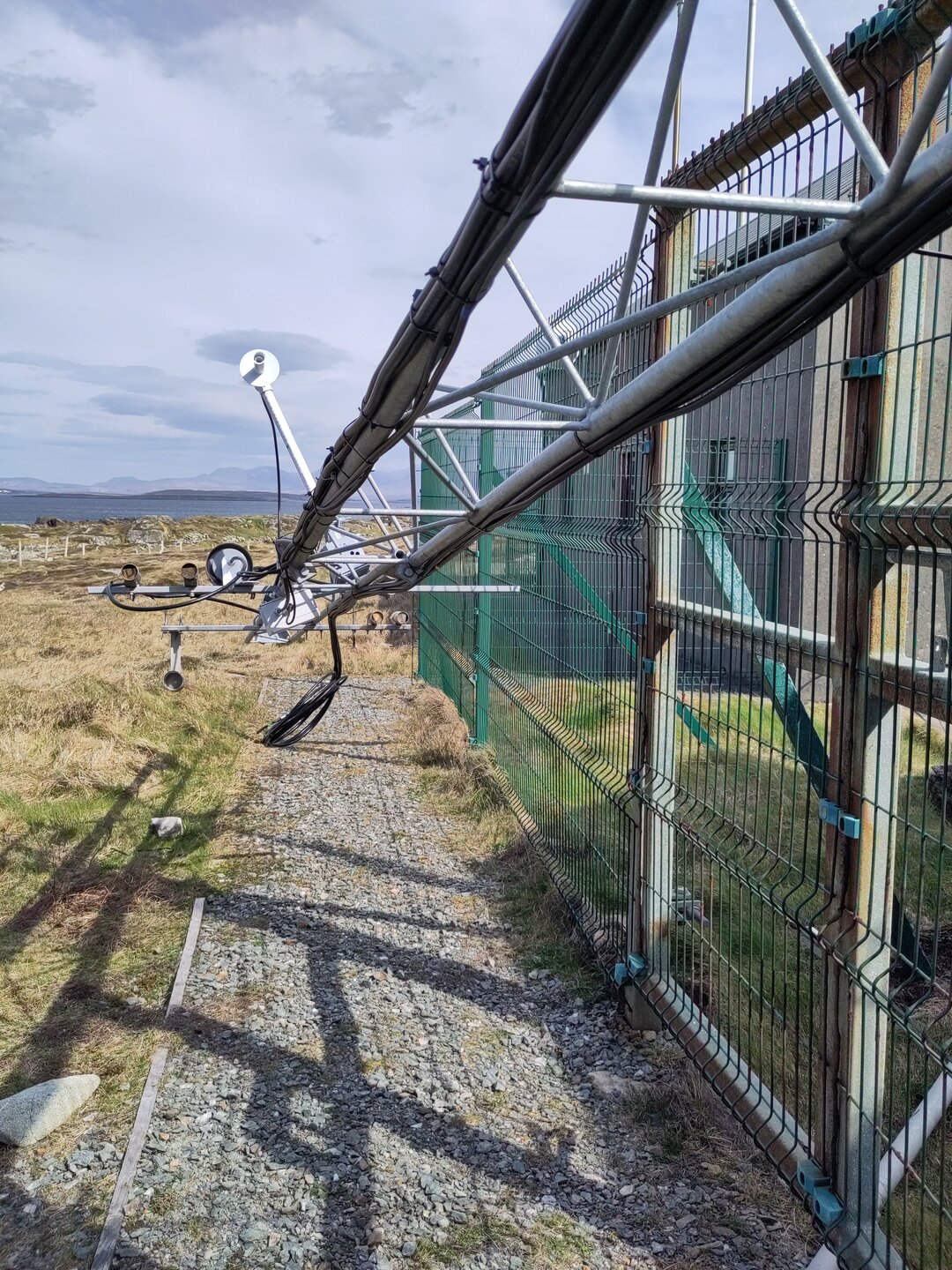
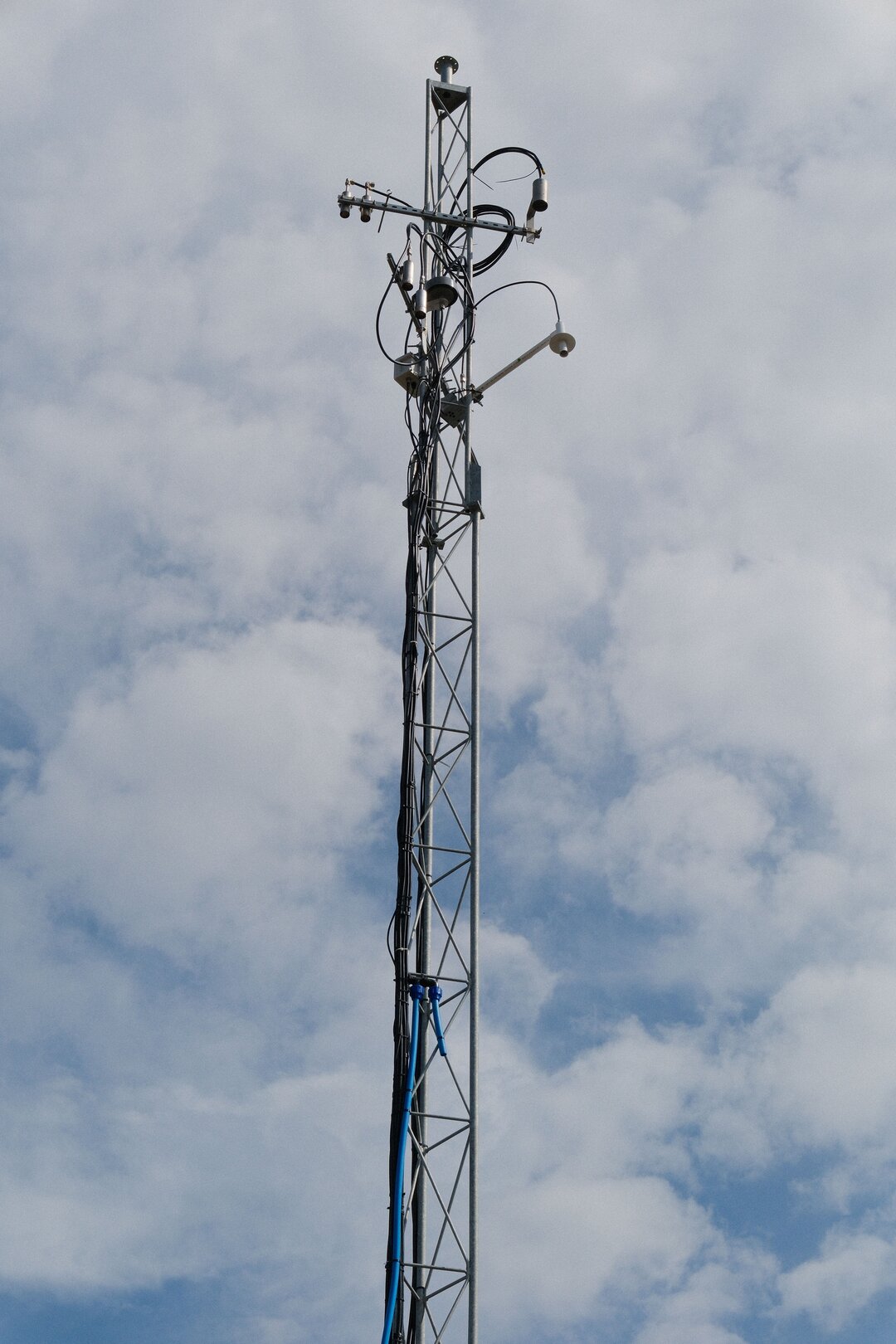
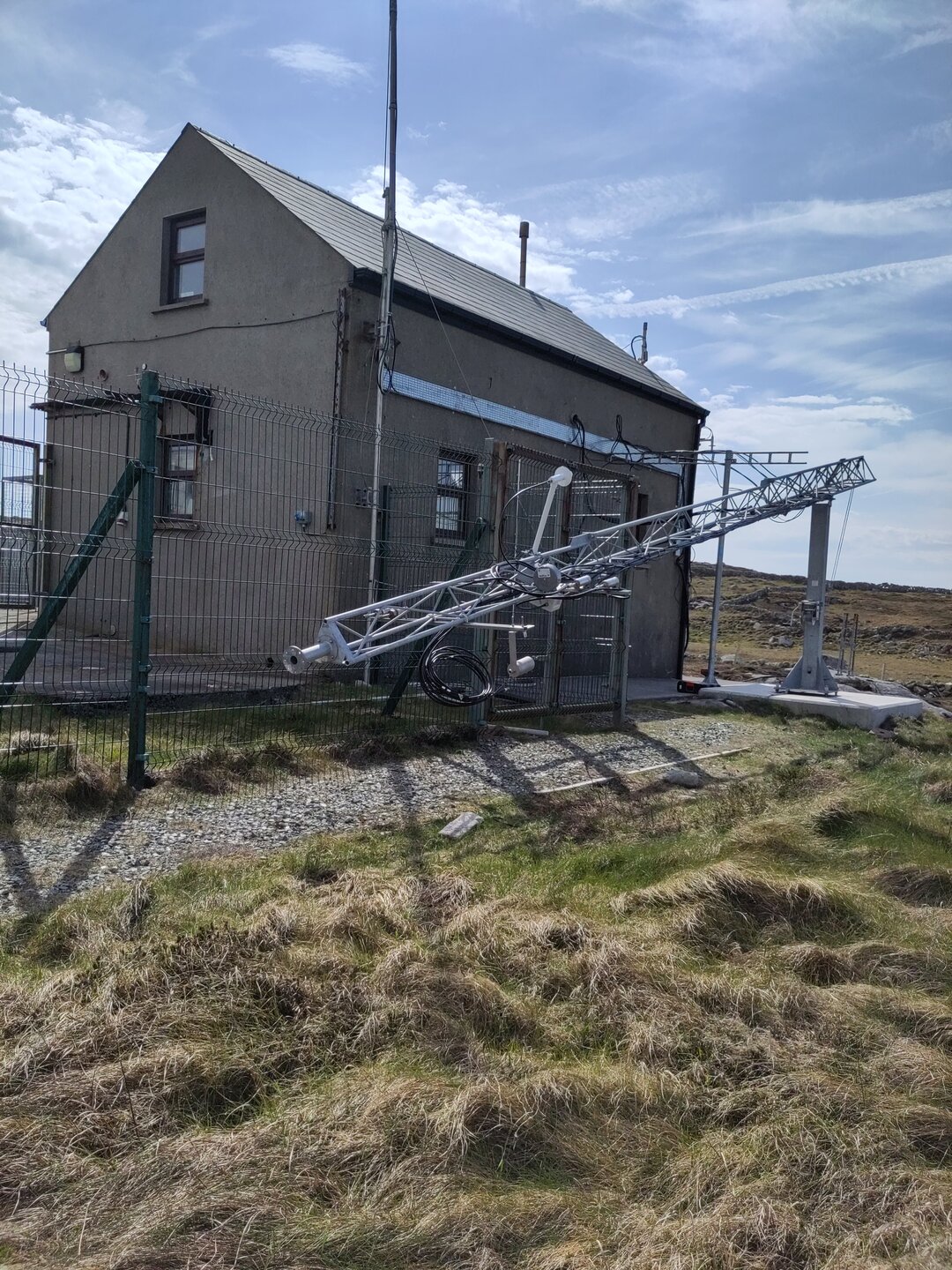
As part of the NuClim project, the University of Bristol, in collaboration with the University of Galway and the UK’s National Physical Laboratory, has successfully installed a 1500L ANSTO radon detector at Mace Head.
Dr. Angelina Wenger, research associate at the University of Bristol, told us about the set-up of the ANSTO radon detector at Mace head. And we are wondering....
Why do you need five scientists to change one detector head?
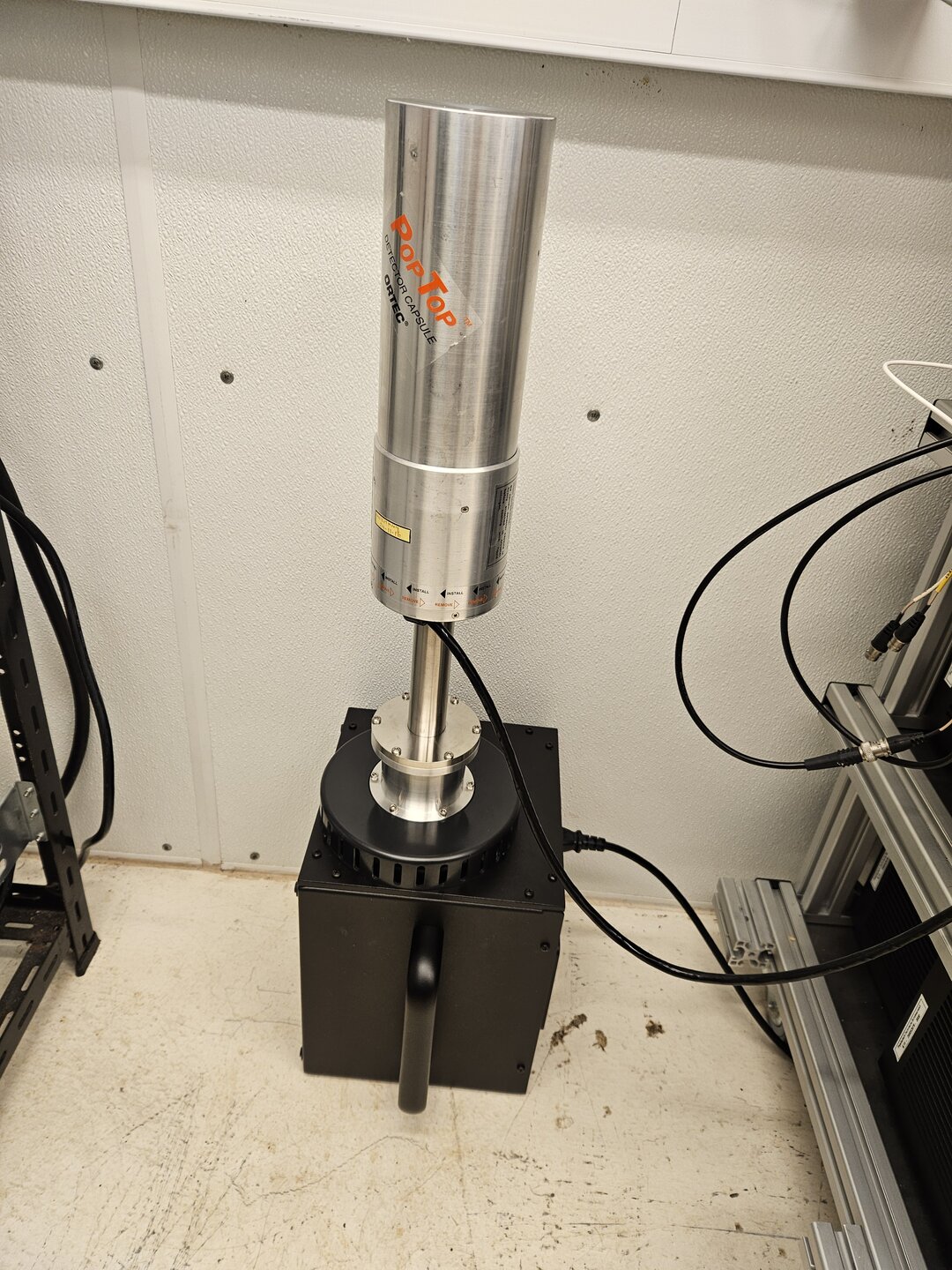
The radon detector installed at Mace Head is a second hand instrument that was in need of a bit of TLC, also known as changing the detector head. This seemed entirely reasonable until you remember that Mace Head sits on the rugged west coast of Ireland, where the Atlantic does its absolute best to remove anything not firmly attached. It is, after all, the same site that holds the Irish wind gust record of 183 km/h.
To tackle the job, two radon specialists came over and joined forces with colleagues from the University of Galway and the University of Bristol. What followed was a fine example of international collaboration under challenging conditions. We will not mention that this involved supergluing the inlet to the new filter unit, or that we nearly lost said inlet during the manufacturer approved “just caulk it on” approach. Apparently, caulk dries very nicely in the Australian sunshine; this was very much not the case in the Arctic style breeze showing up at Mace Head that day.
I can certainly not judge anyone, given that I gloriously forgot to pack the computer power cable for the radon detector. Luckily, Mace Head is not the remotest of remote sites, and Galway is only about 1.5 hours away—close enough to solve most crises. I was, of course, there to supervise (i.e. make it work), and to train both the local postdoc and our new PhD student on the instrument. By “new” I mean the second week of her PhD, just enough time to complete the necessary risk assessments and book the flights.
The analyser is now installed and functioning, thanks to the combined efforts of Bristol, Galway, and our two specialists. All that remains is to wait for our first year of data and hope that Mace Head decides not to break any more wind gust records in the near future.
So why do you need five scientists to change one detector head?
One to change it, one to lose it, two to buy superglue, and one to wonder how she ended up here.
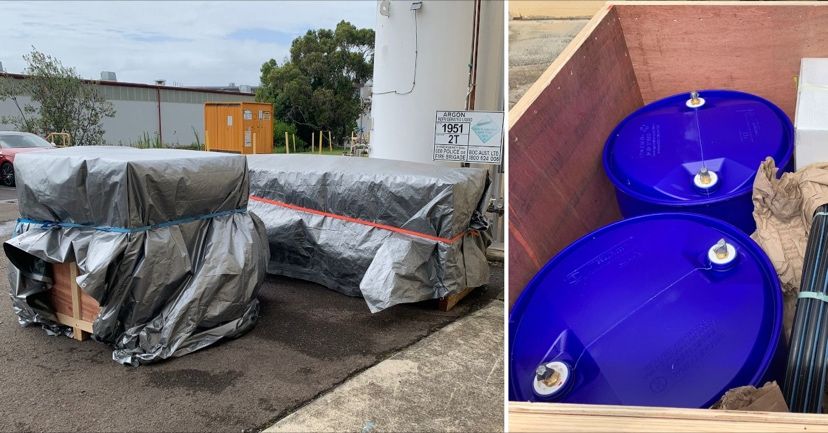
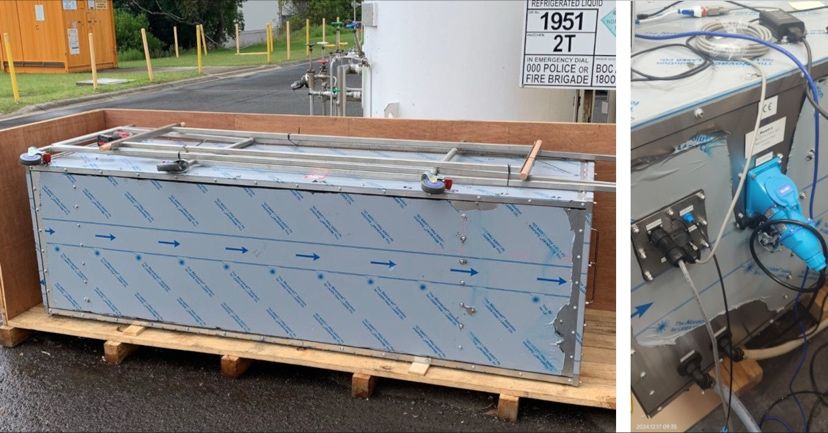
ANSTO 1500 L is coming to Graciosa ENA
Excited to report that the very first CE Certified ANSTO 1500 L two‑filter dual flow‑loop radon monitor has left Australia and is now sailing its way to Graciosa Island, in the Azores, to assist with characterising “baseline” concentrations of greenhouse gases as part of the NuClim Project. Including completely new control software, updated electronic control systems, and calibration system redesigned by Burkert Fluid Control Systems, this monitor provides the best atmospheric Rn-222 monitoring in the world – with 30‑minute temporal resolution and a detection limit of 0.025 Bq/m3.